Overview
This project applies transdisciplinary, youth-driven citizen science to strengthen evidence, advocacy and governance for healthy, climate-resilient urban development in Lagos. Working with young people as citizen scientists, the project generates locally grounded data on air pollution, health risks and lived experience, while examining how participation in evidence-informed campaigns shapes political self-efficacy, civic engagement and influence in urban decision-making. By bridging research, practice and youth leadership, the project contributes actionable insights to support more inclusive, evidence-informed urban health and climate governance.
Project Timeline
Sept 2025 – Jan 2027
About
Climate change and air pollution pose significant and growing public health risks in rapidly urbanising cities, particularly in low- and middle-income countries. Lagos, one of Africa’s largest and most densely populated cities, faces severe challenges related to air pollution, extreme heat and flooding, alongside high burdens of communicable and non-communicable diseases and limited locally generated health and environmental data. Despite these risks, there remains a critical gap in context-specific evidence on exposure, health impacts and governance responses.
At the same time, Lagos is a predominantly young city. Young people aged 15 to 35 make up the majority of the population, representing a powerful but underutilised resource for urban transformation. This project responds to both challenges and opportunities by exploring how youth-led, technology-enabled citizen science can generate credible evidence while strengthening civic participation and influence in urban health governance.
Building on existing collaboration between the University of Cambridge, the University of Lagos and the Lagos Cityzens Hub hosted by the Lagos Urban Development Initiative, the project integrates air quality monitoring, physical activity and participatory data collection. It examines not only environmental exposures and risks, but also how engagement in citizen science-based advocacy affects young people’s political self-efficacy, civic participation and ability to engage decision-makers. The project aims to strengthen the evidence base for citizen science in African cities while laying the groundwork for replication and scaling across Nigeria and other urban contexts.
Objective
To assess the extent to which youth participation in tech-enabled citizen science air quality and health campaigns influences their perceived political self-efficacy to participate in public awareness-raising engagement initiatives and to effectively engage decision-makers and contribute to urban health governance.
Methods
The project uses a mixed-methods, participatory research design grounded in youth-driven citizen science. It will be conducted in Lagos, Nigeria, and will involve young people aged 18 to 35 who reside in the city and have access to a smartphone. Participants will be recruited through an open call disseminated via social media platforms, youth networks and the Lagos Cityzens Hub, using purposive sampling to ensure active engagement.
The study combines quantitative and qualitative data collection across multiple phases. Baseline surveys will capture participants’ sociodemographic characteristics, knowledge and experiences of air pollution and health impacts, perceived usefulness of air quality data and levels of political self-efficacy and civic engagement.
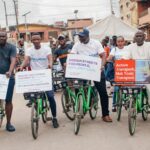
Participants will then take part in organised walking and running campaigns, during which they will use wearable air quality sensors and the UrbanBetter Cityzens App to collect exposure data and upload geolocated images of perceived pollution sources.
Following the campaigns, validated and adapted scales will be used to assess changes in perceived political self-efficacy and civic engagement, including internal, collective and external efficacy and awareness of participatory governance mechanisms.
Follow-up assessments at three and six months will examine whether effects are sustained over time. Focus group discussions will be conducted at the end of the study to reflect on findings, lived experiences and recommendations for policymakers.
Quantitative data will be analysed using descriptive statistics, correlation and regression analysis, while qualitative data will be analysed thematically. Findings will be triangulated and shared through academic publications, policy briefs and co-produced outputs designed with participating citizen scientists.
Project Team

Dr Gabriel Okello, UrbanBetter Academy Diaspora Centre & Cambridge Institute for Sustainability Leadership, University of Cambridge (Principal investigator)

Professor Peter Elias, University of Lagos (co-Principal Investigator)
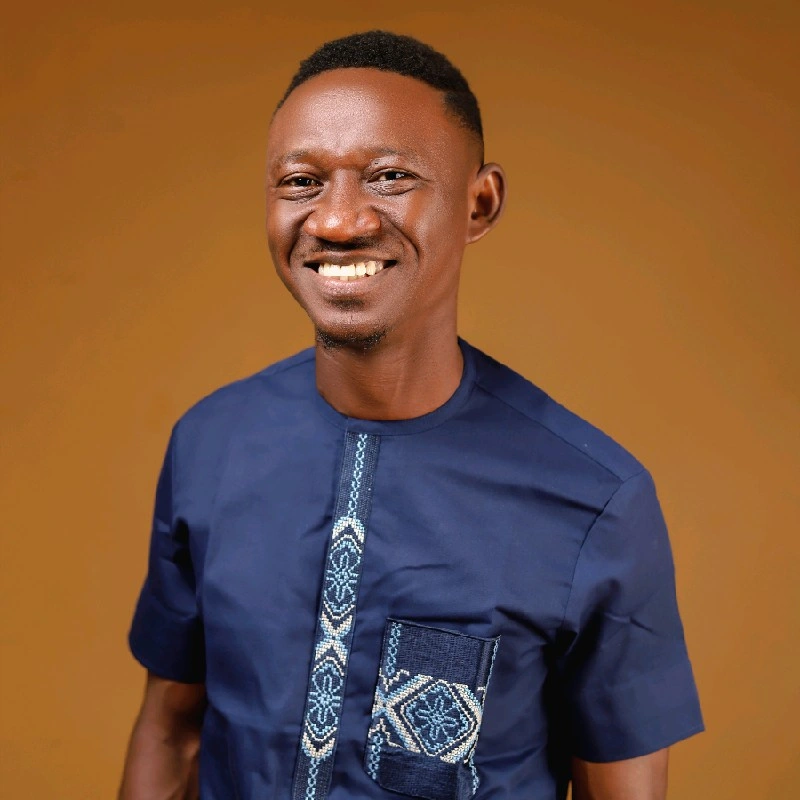
Waziri Mainasara, UrbanBetter (Cityzens liaison)
Partners



Funders