Overview
Active Lives in Hot Spots projects – aka Hotsteppers – is focused on uncovering and tackling activity-related heat exposure and associated health risks at transit hubs in Lagos. Combining heat and health data analysis from field-based heat monitoring and lived experiences of active travellers and vendors, the project aims to co-design practical built environment interventions and engagement strategies that support healthy climate-resilient physical activity and reduce the health impact of extreme heat.
Timeline: Jan 2026-Dec 2028
About
Transit hubs in Lagos are convergence points for heat-vulnerable groups, notably active travellers and recreational movers, and are also a magnet for outdoor vendors due to high foot traffic. These populations face increasing health risks from extreme heat in a city where over 70% of residents live in extreme poverty. Yet, they are also key partners in making heat-related risks visible and co-creating solutions.
Lagos State policies – including the 2018 Non-Motorised Transport (NMT) policy and draft health-climate adaptation plans – acknowledge climate hazards but largely overlook extreme heat and the opportunity for intersectoral collaboration to advance climate and health goals. The NMT Policy identifies the short-term need for demonstration infrastructure projects, but evidence on heat-health risks and protective strategies remains limited. This requires data on why action is urgent (heat-health risks), who is most affected (and how they navigate heat), and how health can be protected through transport infrastructure responses.
This study will fill these gaps by synthesising evidence and generating data on the links between heat exposure, health, and the built environment. Through co-created communications and engagement strategies, the project will raise awareness, inform infrastructure interventions and catalyse action on heat-related health risks—leveraging NMT policy momentum to protect heat-vulnerable populations in Africa’s largest city.
Methods
Research questions
WHY act?
1. What is the association between extreme heat and health outcomes in Lagos?
WHO is most at risk?
2. What are the patterns of heat exposure and perceived risks among active travellers and recreational movers at selected transport hubs?
HOW best to intervene?
3. What evidence exists on transport infrastructural interventions to mitigate heat-related health risks among physically active people in Lagos and in the Majority World?
- What is the impact of a co-designed tactical urbanism intervention on heat stress and physical activity patterns?
- How can participatory communications and engagement promote visibility and adoption of heat-resilient transport infrastructure?
Objectives
Objective 1: Understand the policy and practice landscape
- A systematic review of heat-resilient transport and built environment interventions across Global South cities.
- A context analysis using stakeholder mapping, interviews, and desk reviews of public and private NMT initiatives in Lagos to understand past efforts, challenges and opportunities.
Objective 2: Investigate the association between heat and health in Lagos
A retrospective ecological study analysing the association between extreme heat and health outcomes.
Objective 3: Explore heat experiences and exposures at transport hubs
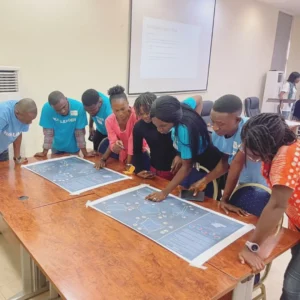
- Participatory mapping with citizen scientists to identify routes, heat and cooling assets and hotspots. Walk-along audits will be complemented by static heat sensors and pedestrian activity enumeration.
- Baseline data collection from weekday active travellers and weekend recreational movers on heat and health knowledge, experiences and protective practices using direct measurement and structured surveys during a peak heat month.
Objective 4: Design and evaluate a tactical urbanism intervention
A modular, scalable tactical urbanism intervention to be co-designed and evaluated with communities and stakeholders.
Project Team

Professor Tolullah Oni, University of Cambridge (Principal Investigator)
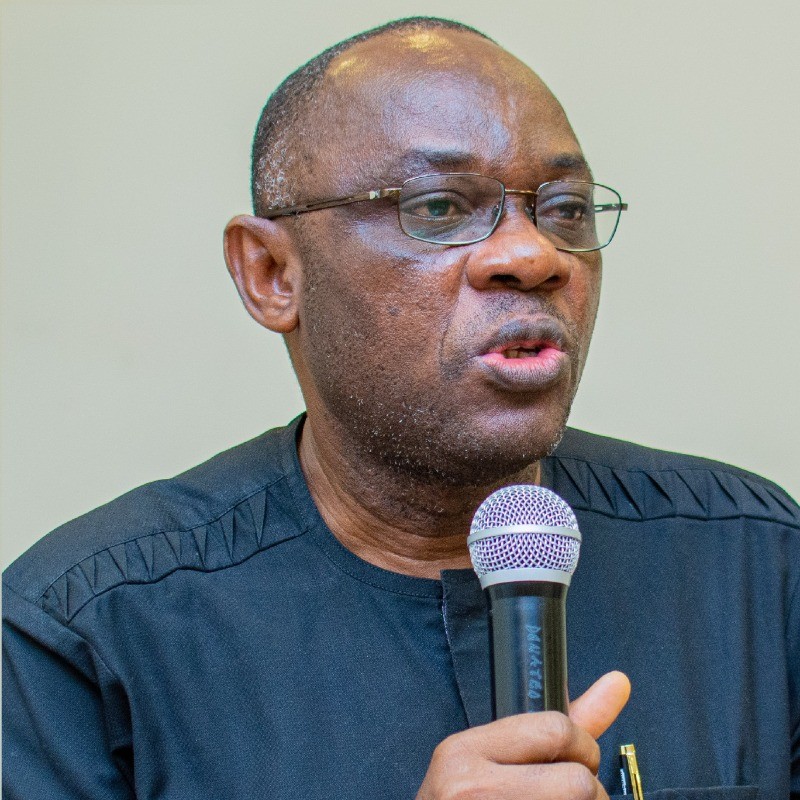
Professor Peter Elias, University of Lagos (co-Principal Investigator)

Olamide Udoma-Ejorh, Lagos Urban Development Initiative (co-investigator)
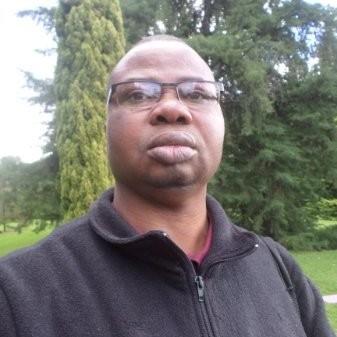
Mayowa Fasona, University of Lagos (co-investigator)

Stephen Ajadi, Ruban Office (co-investigator)

Muizz Ogbara, Lagos Metropolitan Area Transport Agency (co-investigator)

Abimbola Badejo, UrbanBetter (communications lead)

Waziri Mainasara, UrbanBetter (Cityzens liaison)